Galvanic Corrosion in Trailer Frames
Galvanic Corrosion in Trailer Frames: The Hidden Damage Caused by Aluminum and Steel Contact
Heavy-duty trailers are built to withstand harsh conditions, but one common issue can silently cause significant structural damage over time: galvanic corrosion.
For fleets operating in the Midwest and other regions where road salt and deicing chemicals are heavily used, galvanic corrosion is a serious maintenance concern that can lead to cracked frame rails, damaged suspension hangers, and costly downtime.
What Is Galvanic Corrosion?
Galvanic corrosion occurs when two dissimilar metals, such as aluminum and steel, come into contact in the presence of an electrolyte like moisture, road salt, or chemical deicers.
As the corrosion progresses, material begins to deteriorate between the two surfaces. This often creates a visible "bubble" or separation where the aluminum and steel meet. Many technicians refer to this condition as heat jacking.
Why Midwest Fleets Are More Susceptible
Road departments throughout northern states use salt and liquid deicing products to improve winter driving conditions. While effective for road safety, these products accelerate corrosion by allowing moisture and contaminants to remain trapped between metal components.
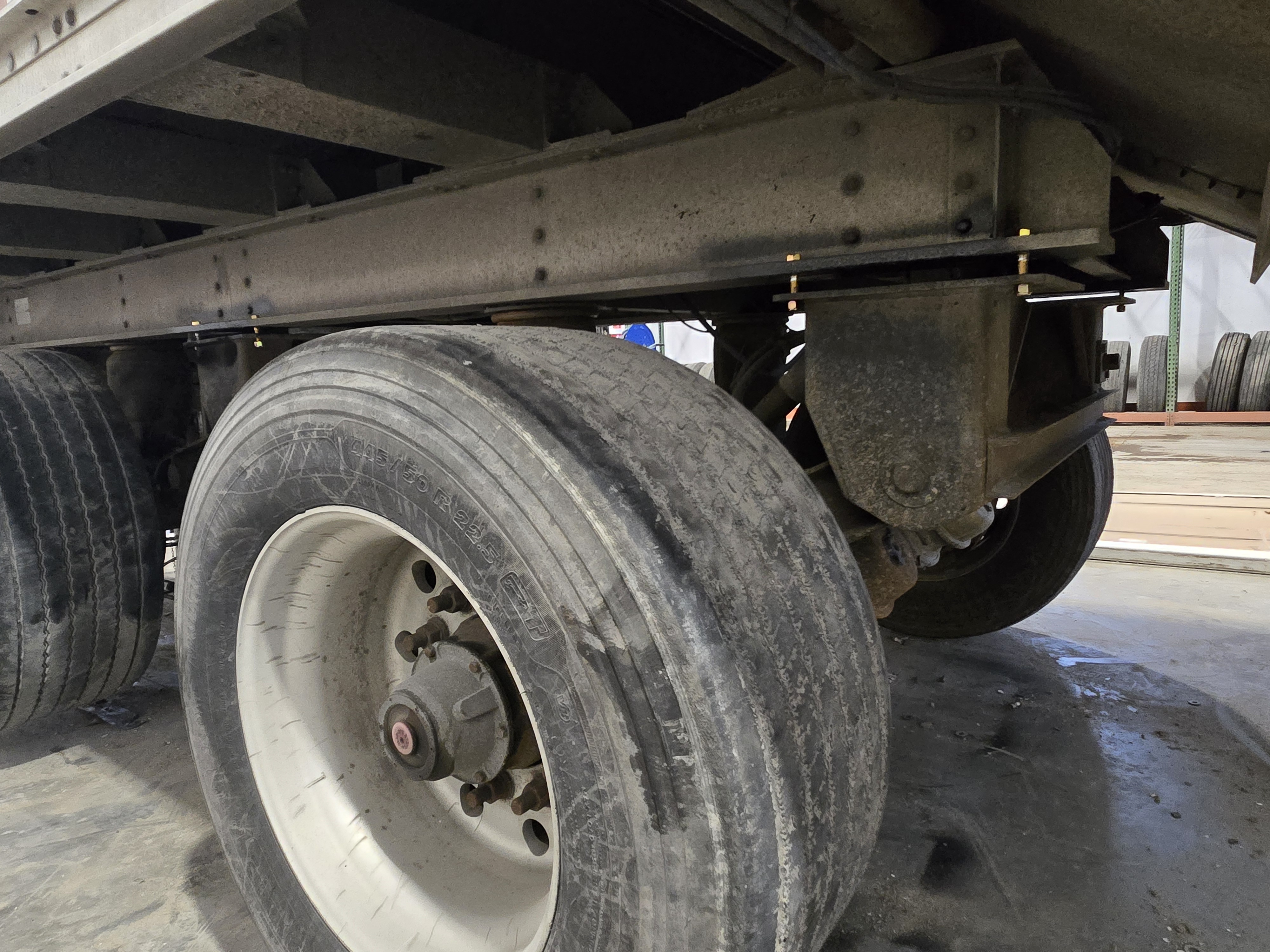
Areas where aluminum crossmembers, frame components, and steel suspension hangers meet are particularly vulnerable.
Warning Signs of Corrosion Damage
Regular inspections can help identify problems before they become major repairs. Watch for:
Bubbling between aluminum and steel components
Rust staining around hanger assemblies
Swelling or separation of metal surfaces
Cracks forming near suspension hangers
Paint failure or flaking coatings
Excessive corrosion around mounting points
Ignoring these warning signs can lead to structural damage that affects the integrity of the trailer frame.
How to Prevent Frame Rail and Hanger Damage
The best defense against galvanic corrosion is proactive maintenance.
When corrosion is discovered:
Remove the suspension hanger or affected component.
Thoroughly clean out all corrosion and contaminants.
Inspect the frame rail and hanger for cracks or structural damage.
Apply a high-quality corrosion-resistant coating or paint.
Reassemble and perform routine inspections.
Addressing corrosion early is significantly less expensive than repairing a cracked frame rail or replacing major suspension components.
The Cost of Waiting
What begins as a small corrosion bubble can eventually lead to:
Cracked main frame rails
Damaged steel suspension hangers
Increased repair costs
Unexpected downtime
Reduced trailer lifespan
Routine inspections and preventive maintenance can help fleet owners avoid these costly consequences.
Final Thoughts
Galvanic corrosion between aluminum and steel is one of the most overlooked causes of trailer frame damage. For fleets operating in areas exposed to road salt and winter chemicals, regular inspections are essential. Identifying and repairing corrosion early can extend equipment life, improve safety, and reduce long-term maintenance costs.
Maintain your equipment before corrosion turns into a major structural repair.